

Quick answer
Flat tire service in Lancaster means a provider comes to your car and puts on your spare. It works when you have a usable spare and the wheel itself isn't damaged. With no spare, a run-flat past its limits, a bent wheel or two flats, the car needs a tow to a tire shop, sometimes on a flatbed. On CA-14, get fully onto the right shoulder, turn on your hazards and stay buckled in while you wait.
What flat tire service covers
A flat tire call in Lancaster is usually a spare change: the provider jacks up the car and puts on your spare, full-size or compact. It fits when:
- One tire is flat and you have a spare that holds air.
- The wheel isn’t bent and the car still rolls and steers normally.
- The car is somewhere a jack can be used safely.
A roadside call doesn’t usually include patching or replacing the tire. Some providers offer mobile tire service or can add air to a slow leak; ask when you call.
No spare, run-flats and damaged wheels
No spare. Many newer cars come with only an inflator and sealant kit. It may seal a small puncture in the tread well enough to reach a tire shop. If it won’t hold, or the sidewall is cut, the car needs a tow.
Run-flat tires are built to keep going for a limited distance at reduced speed after losing air; your owner’s manual gives the limits. Cars with run-flats often carry no spare, so once you are past those limits or the tire is torn, it is a tow.
A damaged wheel. If you hit a curb, a pothole or debris hard enough to bend the wheel or damage the suspension, a spare may not fix it. If the wheel won’t turn freely, ask for a flatbed, which can load a car with a locked wheel.
Two flats. One spare covers one tire. Two flats mean a tow.
Flat tires on CA-14 and desert roads
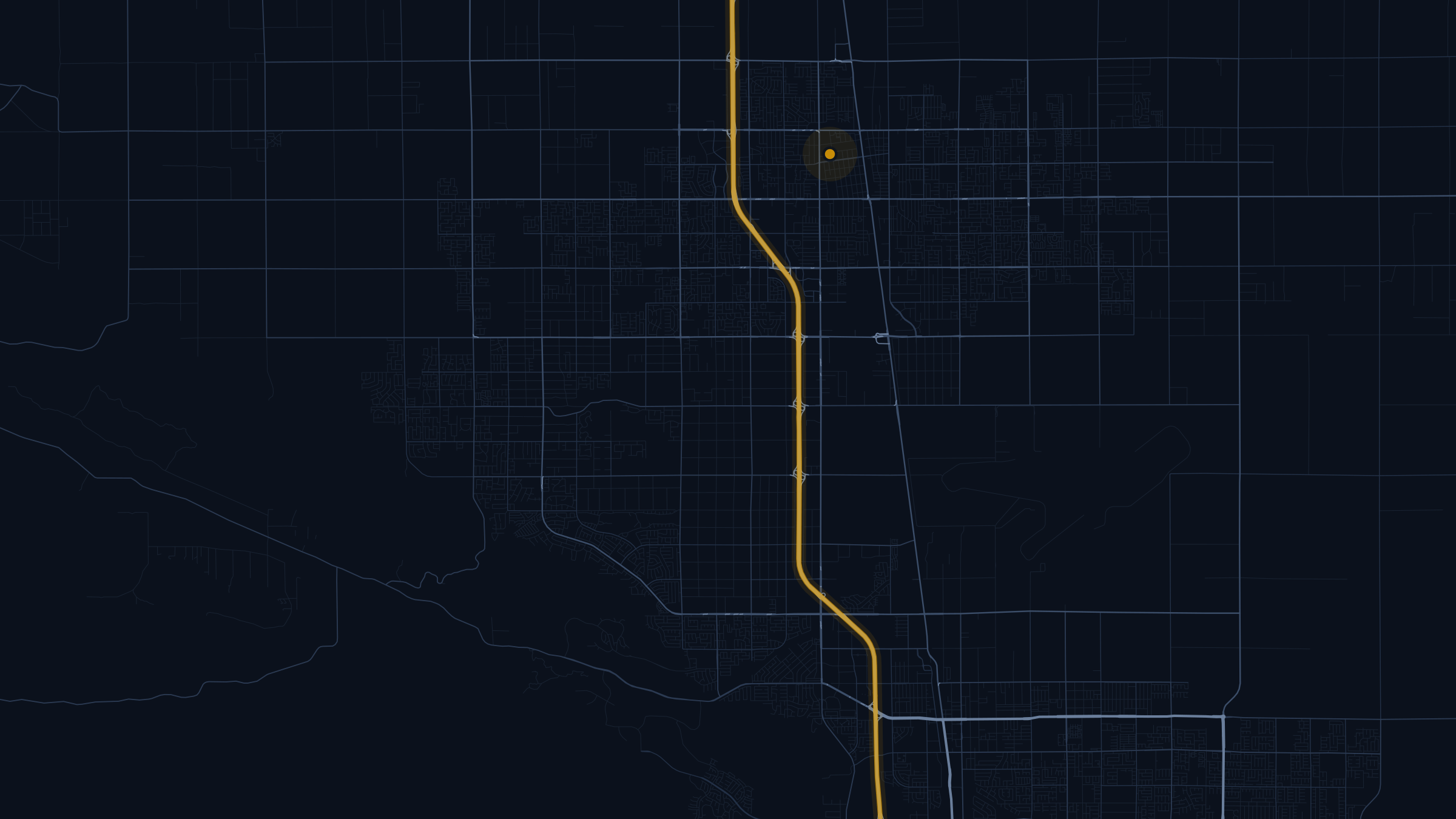
On CA-14 (the Antelope Valley Freeway, “the 14”), traffic runs fast and close to the shoulder. What to do:
- If a tire blows, hold the wheel with both hands, ease off the accelerator and don’t slam the brakes. NHTSA’s advice is to let the car stabilize, then slow down and pull off where it’s safe.
- Get fully onto the right shoulder, as far from traffic as you can.
- Hazards on, seat belt on. The California Driver Handbook says to stay inside with your seat belt on unless there is no shoulder or safe area.
- Don’t change a tire on the traffic side. California’s Move Over law (Vehicle Code 21809) now covers any stopped vehicle showing hazard lights: passing drivers must move over a lane when it is safe, or slow down. Not everyone does.
- Call with your direction and the last exit or mile marker. The Highway 14 breakdown guide has the full steps.
If the car is stuck in a traffic lane, call 911 first; that is an emergency tow, not a tire change. On parts of SR-14, Metro’s Freeway Service Patrol changes flats for free during its service hours. Dial 511 and say “Motorist Aid” to check whether it covers where you are.
Spring wind makes it worse. National Weather Service wind advisories for the Antelope Valley peak from March through May, with gusts and blowing dust that make driving difficult. A jack on a windy shoulder is a poor combination.
On a dirt or sandy shoulder, a jack can sink or tip. Tell the provider the surface when you call.
Heat and tire pressure
NHTSA calls underinflation the leading cause of tire failure. In Lancaster’s heat, a few habits help:
- Check pressure cold, at least three hours after driving (NHTSA). In summer, that means first thing in the morning; warm tires read high and can hide a low one.
- Use the placard number on the driver’s door pillar or in the owner’s manual, not the sidewall number, which is the maximum.
- Check the spare too. It loses air and ages like the others.
- Look for cuts, bulges and cracks monthly and before long trips.
Flat tire in Lancaster or on the 14?
Call for towing help (661) 555-0123What affects the cost
The provider sets the price. What changes the total:
- A spare change or a tow to a tire shop.
- Distance the provider drives to reach you.
- Time of day. Nights, weekends and holidays can cost more.
- The vehicle. Large pickups and vans can need heavier equipment.
- Stuck lug nuts, or locking lug nuts without the key.
- Coverage. An insurer, motor club or manufacturer program may cover the call.
Ask for the total before work starts. The Lancaster towing cost guide explains how providers price calls.
What to have ready when you call
- Your location: the freeway, direction and last exit or mile marker, or the nearest cross streets.
- Which tire is flat, and whether it is on the traffic side.
- Whether you have a spare (full-size, compact or none), a jack, and the key for any locking lug nuts.
- Whether the tires are run-flats, and whether the wheel looks bent.
- Year, make and model, and whether it is all-wheel drive in case a tow is needed.
Limits worth knowing
- If you are in a traffic lane, anyone is hurt, or the car is smoking, call 911 first.
- For a battery, lockout or fuel problem instead, see roadside assistance. For anything that needs a truck, see towing in Lancaster.
How requesting a tow works
-
Tell us where you are
Call, or send a request with your location, vehicle and what happened. A cross street, freeway exit or mile marker is enough.
-
A provider confirms
Your request goes to a local towing or roadside provider covering the Antelope Valley. They tell you whether they can reach you, the total price and an arrival estimate.
-
You decide
Nothing is sent until you agree. Wait somewhere safe, away from traffic, and pay the provider directly when the job is done.
Common questions
What if my car doesn't have a spare tire?
Many newer cars carry only a tire inflator and sealant kit. It may get a small tread puncture to a tire shop, but these kits generally aren't meant for sidewall cuts or a tire that has come apart. If the kit won't hold, the car needs a tow to a tire shop.
Can a roadside provider repair or replace my tire on the spot?
A standard roadside call is a spare change. Some mobile tire services can repair or replace a tire where you are, so ask when you call. Otherwise, drive on the spare to a tire shop or have the car towed there.
How far can I drive on a compact spare?
Check your owner's manual and the label on the spare for its speed and distance limits. A compact spare is a temporary tire, so get the flat repaired or replaced as soon as you can.
Should I change a tire myself on the 14?
Not on the traffic side, and not on a narrow shoulder. California's Move Over law requires passing drivers to change lanes or slow down for a stopped car showing hazard lights, but it doesn't make the shoulder safe. Stay buckled in and call for help.
Sources and official resources
- NHTSA — Tires: maintenance, pressure and blowouts
- NHTSA — Summer driving tips (tires)
- California DMV — Driver Handbook: if your vehicle is disabled
- California Vehicle Code §21809 (Move Over law)
- LA Metro — Freeway Service Patrol
- NWS Los Angeles/Oxnard — wind products for the Antelope Valley zone (IEM archive)